Premier Deck Builders Austin: Custom Deck Building Services for Outdoor Entertainment Spaces
Deck Repair 101: How to Restore Your Deck's Beauty and Functionality
Deck Repair 101 provides critical guidance on preserving the safety and visual appeal of a deck. Many homeowners tend to ignore common issues like wood rot and mold, which may result in more serious damage. Learning to inspect damage and identify suitable materials is crucial. With a clear repair plan, returning a deck to its optimal condition is possible. The next steps will reveal practical strategies for maintaining outdoor spaces that stay attractive and resilient over time.
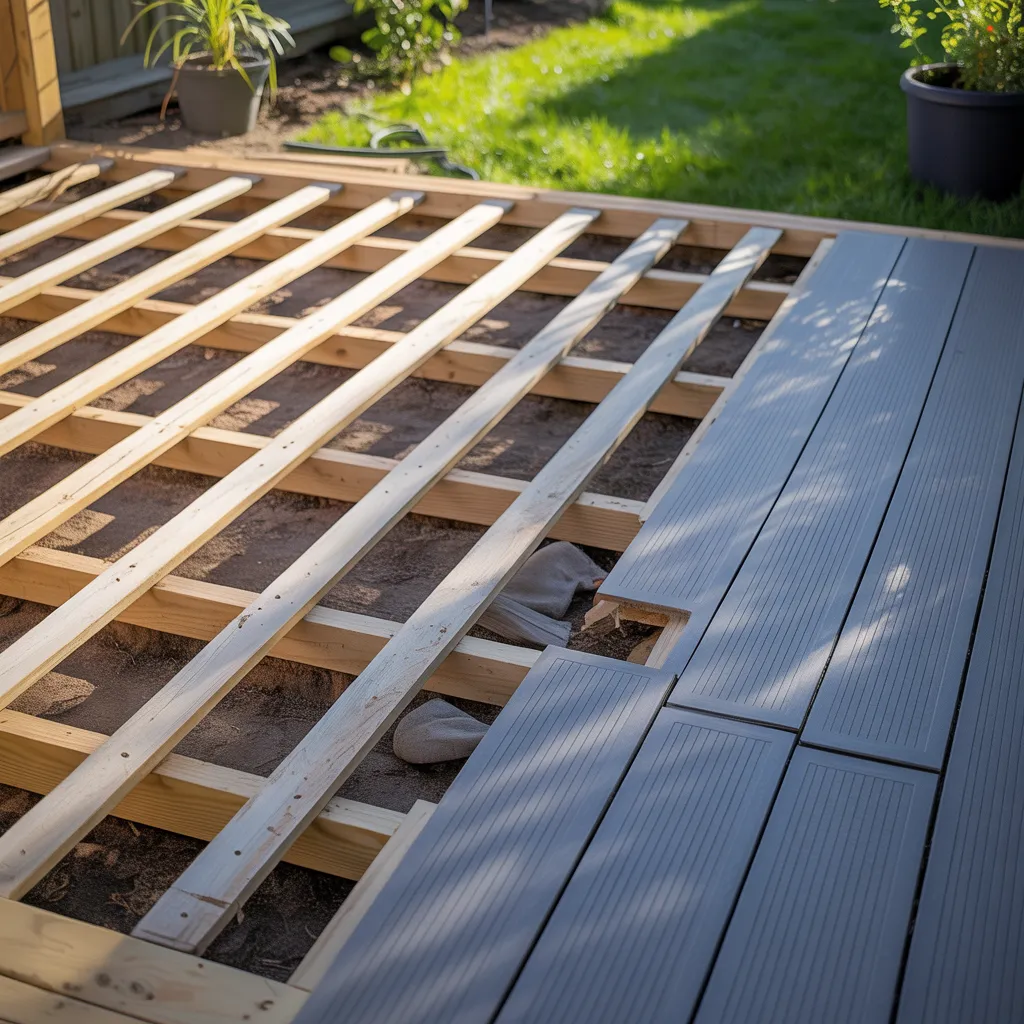
Identify Common Deck Problems to Solve
When homeowners start to observe problems with their decks, recognizing common problems is crucial for successful repairs. A common problem is wood rot, frequently brought on by the accumulation of moisture, which can weaken the structural integrity of the deck. In addition, splitting and cracking can develop as a result of weather exposure and insufficient maintenance, presenting significant safety concerns. Loose or warped boards can also lead to tripping hazards, requiring prompt attention. Moreover, deteriorating or peeling finishes signal the need for refinishing, as they negatively impact the deck's overall appearance. Homeowners may also encounter issues with railings, such as instability or missing balusters, which can affect safety. Lastly, mold and mildew can form in moisture-prone areas, necessitating timely cleaning to preserve a healthy environment. Recognizing these common problems empowers homeowners to take proactive steps toward preserving their decks and ensuring longevity.
Assess Deck Damage and Create a Repair Plan
How should homeowners go about identifying deck damage and creating a restoration plan? First, they should conduct a thorough visual inspection, checking for evidence of rot, warping, or unstable boards. Inspecting the deck's structural elements, including support beams and joists, is essential since concealed damage can jeopardize safety. Property owners should additionally inspect hardware such as screws and nails for signs of rust or corrosion.
Once the damage is identified, it's crucial to classify the problems according to their severity. Minor cosmetic flaws may only need basic sanding and staining, while more significant structural concerns could require the replacement of entire boards or supports.
Formulating a detailed repair strategy encompasses organizing priorities, gauging the required time and energy, and identifying the required tools and expertise. Documenting findings aids in refining the repair process, confirming that each area of concern is tackled in an organized and efficient way.
Pick Deck Renewal Resources
Picking the suitable components for restoring a deck is crucial for achieving long-lasting outcomes. The process includes understanding various wood types, identifying compatible protective coatings and stains, and confirming the correct tools and equipment are readily available. A careful evaluation of these factors can significantly elevate the outdoor deck's durability and appearance.
Overview of Wood Types
Choosing the right wood type is essential for effective deck restoration. Different wood choices provide varying aesthetics, durability, and upkeep needs. Pressure-treated lumber is a popular choice due to its resistance to decay and insects, making it suitable for budget-conscious homeowners. Both cedar and redwood deliver natural visual appeal and resistance to warping but demand routine care to keep their appearance intact. Tropical hardwood species, such as ipe and teak, offer outstanding durability and resistance to weather, even though they carry a premium price tag. Composite decking, which blends wood fibers and plastic, provides minimal upkeep and long-lasting performance but may lack the natural look of real wood. Every choice comes with its own advantages and factors to consider, impacting the outcome of a deck restoration endeavor.
Stains and Sealants
Various sealants and stains are critical for protecting the integrity and aesthetic of a deck. These solutions defend wood from moisture, UV rays, and mold, thus prolonging its service life. Sealants establish a water-repelling shield, preventing rot and decay. Stains, by contrast, bring out the wood's natural appeal while delivering color selections that enhance outdoor areas. They are offered in transparent, semi-transparent, or solid varieties, enabling homeowners to select their preferred level of wood grain visibility. Choosing the appropriate product relies on factors such as wood type, climate, and personal preference. Routine application of sealants and stains is key to preserving the deck's visual appeal and structural performance long-term.
Tools and Supplies
Assembling the correct supplies and gear is vital for successful deck restoration. Property owners should commence with a pressure washer to clean the deck's area, clearing away grime and mold effectively. A sturdy sander, optimally an orbital one, is important for refining uneven spots and conditioning the wood for treatment. Moreover, a variety of paintbrushes and rollers will assist with applying stains and sealants evenly. Critical safety items, such as protective gloves and eyewear, provides protection during the refurbishment process. Other useful tools include a pry bar for extracting deteriorated boards, a hammer for fixing unsecured nails, and a tape measure for exact cuts. Lastly, a quality wood filler can help repair small flaws, contributing to the deck's general durability and aesthetic appeal.
Step-by-Step Guide to Repairing Deck Boards
Restoring deck boards might appear challenging, but a systematic method streamlines the work significantly. First, assess the damage by inspecting each board for cracks, warping, or rot. This preliminary assessment guides your decision on whether to repair or replace the boards. Next, gather necessary tools such as a pry bar, drill, and replacement boards if needed.
To initiate repairs, extract any compromised boards using the pry bar, being careful not to disturb neighboring boards. When dealing with small cracks, you can apply wood filler or epoxy, then sanded smooth once dry. If replacing boards, confirm that the new boards align with the current material in size and type. Fasten the new or restored boards using screws, ensuring a tight fit. Lastly, inspect for any raised nails or screws that may present a safety risk. This systematic approach guarantees a safe and effective deck board repair, enhancing both appearance and functionality.
Refresh Your Deck's Finish and Protect It
Revitalizing a deck's protective layer not only elevates its overall look but also serves a critical function in safeguarding the wood from the elements. Over time, the effects of sun, rain, and temperature fluctuations can deteriorate the deck's surface, leading to splintering and fading. A protective layer read now of sealant or stain functions as a barrier, blocking moisture intrusion and UV damage.
Before adding a new coat of finish, it is crucial to thoroughly clean the deck to remove dirt, debris, and old finishes. This can often include power washing and scrubbing with a suitable cleaner. After it has dried, a superior stain or sealant should be chosen based on the intended finish, whether fully transparent, semi-transparent, or opaque. Spreading the product uniformly with a brush or roller guarantees extensive coverage. Ensuring proper drying time is important for attaining optimal protection and durability, keeping the deck well-protected for the long term.
How to Maintain Your Restored Deck for Longevity
To keep your restored deck stays in excellent condition, routine care is necessary. Creating a steady cleaning regimen, carrying out regular damage assessments, and using a quality protective sealant can significantly prolong its life. By following these guidelines, homeowners can protect the beauty and functionality of their exterior living space.
Consistent Cleaning Schedule
How often should a restored deck be cleaned to guarantee its longevity? A regular cleaning schedule is essential for preserving the deck's appearance and functionality. Generally, a deck should be washed every three to six months, based on the local climate and environment. In areas with heavy rainfall or shade, more frequent cleanings may be necessary to prevent mold and mildew growth.
Using a gentle soap solution and a soft-bristle brush helps remove dirt and debris without damaging the surface. Moreover, homeowners ought to concentrate on eliminating leaves and other natural debris, which have a tendency to hold moisture. Through commitment to this regular cleaning regimen, the deck will be kept in optimal condition, securing its structural integrity and attractive appearance well into the future.
Check for Damage
Routinely examining a renovated deck for damage is essential to maintaining its durability. Homeowners are advised to conduct thorough checks at least two times annually, ideally in spring and fall. During these inspections, they should watch for signs of damage, such as cracked wood, unfastened boards, or corroded hardware. Additionally, looking for mold or mildew growth is critical, as these can weaken the deck's overall stability. Give special attention to areas where moisture tends to collect, as accumulated moisture can lead to significant structural damage. It is also wise to assess stairs and railings for structural integrity. Tackling minor concerns immediately can prevent costly repairs, ensuring the deck remains a safe and enjoyable space for years to come. Regular vigilance is fundamental to preserving its beauty and functionality.
Implement Protective Sealant
Using a protective sealant is essential for extending a restored deck's lifespan and aesthetic quality. Once repairs are finished, a premium sealant application protects the wood against moisture, UV damage, and possible mold development. The process of application generally starts with a clean, dry surface, making certain that dirt and debris do not compromise adhesion. Using a brush or roller, even coats should be applied, allowing for sufficient drying time between layers. Regular maintenance, including reapplication every one to three years, is essential to maintain the deck's protective barrier. This forward-thinking strategy not only improves the deck's natural aesthetics but also significantly prolongs its lifespan, guaranteeing that it stays a safe and welcoming outdoor area for many years ahead.
Questions We Often Receive
How Regularly Should I Examine My Deck for Damage?
Evaluating a deck for wear and damage is recommended at least twice annually, with spring and fall being the optimal times. Consistent evaluations are essential for identifying wear and tear, moisture concerns, or pest-related issues, keeping the deck safe and in proper working condition.
Is It Possible to Repair My Deck During Rainy Weather?
Fixing a deck during rainy weather is typically not recommended. Moist conditions can hinder the effectiveness of adhesives and sealants, leading to poor results. Waiting for dry conditions is the ideal approach to achieving a quality repair.
What Is the Best Time of Year for Deck Restoration?
The best time for deck restoration generally falls in early fall or spring. In these times of year, temperatures are moderate, humidity is controlled, and the likelihood of precipitation is reduced, ensuring ideal conditions for effective repairs and treatments.
What Eco-Friendly Materials Are Available for Deck Repair?
Certainly, a wide range of eco-friendly materials can be used for deck repair, including recycled plastic, bamboo, and sustainably sourced wood. These options not only reduce environmental impact but also enhance durability, making them an excellent choice for responsible deck restoration.
What Does Professional Deck Repair Usually Cost?
Professional deck repair costs generally fall from $500 to $2,500, depending on factors such as size, materials, and extent of damage. Homeowners should obtain multiple quotes for reliable cost estimation and assured workmanship.